
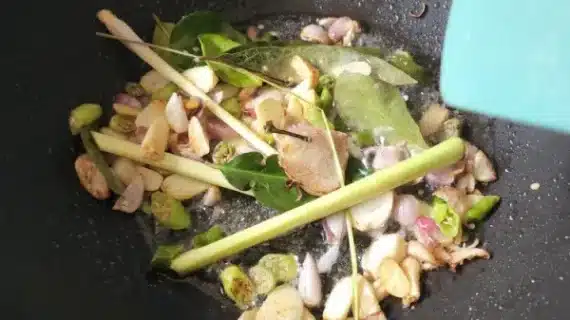
Tinutuan, Tinorangsak, and Pampisang are not just names of traditional dishes; they represent the rich cultural heritage and culinary identity of the Kapampangan people in the Philippines. These dishes have deep roots in the traditions of the Pampanga River communities, where food is more than sustenance—it’s a reflection of history, community, and spiritual beliefs. From the morning ritual of preparing Tinutuan to the communal joy of sharing meals, these foods play a vital role in preserving the cultural essence of the region.
The Origins and Cultural Significance of Tinutuan
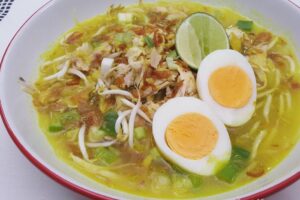
Tinutuan, often referred to as Manado porridge, is a staple dish that has found its way into the hearts of many, especially those from North Sulawesi. However, it also holds significance in the Kapampangan culture, where it is prepared with local ingredients such as vegetables, rice, noodles, and tofu. This dish is typically served for breakfast and is known for its nourishing qualities, making it ideal for those who prefer a vegetarian diet.
The composition of Tinutuan can vary widely, but it usually includes leafy greens like kale and spinach, along with squash, sweet potatoes, and basil. The broth is seasoned with onions and other flavor enhancers, giving it a distinct aroma and taste. In some variations, it is even called “spaghetti Manado” due to the presence of noodles, which are unique to the region.
In Kapampangan households, Tinutuan is more than just a meal—it’s a moment of togetherness. When friends or family gather to cook and share this dish, it becomes a celebration of home, memories, and cultural pride. The act of preparing Tinutuan together fosters a sense of unity, reinforcing the importance of community in Kapampangan society.
Understanding Tinorangsak: A Symbol of Community and Tradition
Tinorangsak is another traditional dish that reflects the cultural values of the Kapampangan people. While it may not be as well-known as Tinutuan, it holds deep significance in the daily lives of the community. This dish is often associated with rituals and celebrations, symbolizing the connection between the people and their ancestors.
Tinorangsak is typically made with a combination of rice, vegetables, and sometimes meat, all cooked in a savory broth. It is often served during gatherings and special occasions, emphasizing the importance of food in bringing people together. The preparation of Tinorangsak is a communal activity, where family members and neighbors come together to cook and share in the joy of the meal.
This dish also highlights the Kapampangan belief in the importance of balance and harmony. Just as the ingredients in Tinorangsak are carefully selected and combined, so too are the values of respect, unity, and gratitude that define Kapampangan culture.
The Role of Pampisang in Kapampangan Cuisine
Pampisang is a lesser-known but equally important dish in the Kapampangan culinary tradition. This dish is often associated with religious and ceremonial practices, reflecting the deep spiritual connections within the community. Pampisang is typically made with a mix of rice, vegetables, and sometimes fish, and is often served during festivals and religious events.
The significance of Pampisang goes beyond its ingredients. It represents the Kapampangan people’s reverence for nature and their belief in the interconnectedness of life. Through the act of preparing and sharing Pampisang, the community reinforces its commitment to faith, family, and cultural preservation.
In many Kapampangan households, Pampisang is prepared as part of a larger meal, often accompanied by other traditional dishes like Tinutuan and Tinorangsak. This practice not only strengthens family bonds but also ensures that the culinary traditions of the region are passed down through generations.
The Cultural and Spiritual Connection of Food in Kapampangan Society
Food in Kapampangan society is deeply intertwined with cultural and spiritual practices. From birth rituals to death ceremonies, the act of preparing and sharing meals plays a central role in the community’s traditions. For example, the ‘binyag’ baptism ritual involves offering food to the child, symbolizing their entry into the community and the blessings of the elders.
Similarly, the ‘Lamay’ ceremony, which honors the deceased, includes the preparation of specific dishes that are believed to guide the soul of the departed. These rituals highlight the Kapampangan belief in the continuity of life and the importance of maintaining a connection with both the living and the dead.
Through these practices, food becomes a bridge between the past and the present, ensuring that the cultural heritage of the Kapampangan people remains alive and relevant.
Conclusion: Preserving Heritage Through Food
Tinutuan, Tinorangsak, and Pampisang are more than just traditional dishes—they are symbols of the Kapampangan people’s enduring cultural identity. These foods reflect the values of community, spirituality, and tradition that have been passed down through generations. Whether it’s the comforting bowl of Tinutuan shared with friends or the sacred meal of Pampisang offered during a ceremony, each dish carries a story that connects the past to the present.
As the world continues to change, it is essential to preserve these culinary traditions and the cultural values they represent. By celebrating and sharing these dishes, we not only honor the legacy of the Kapampangan people but also ensure that their rich heritage continues to thrive for future generations.